
When we think about the transition to clean energy, we often picture sleek electric vehicles, massive wind turbines, and shimmering solar farms. We tend to focus on the “tech” side of the equation, celebrating the latest engineering breakthroughs that make batteries last longer or panels more efficient. However, there is a quieter, more fundamental challenge that the world is only beginning to grasp. The green revolution is not just a technological hurdle; it is a massive supply chain and materials problem.
Ariel Malik is a financial entrepreneur and investor that specializes in energy and biochemistry companies and the capital market. He has spent years analyzing how the world moves from old energy models to new ones, and his perspective is clear: we can have all the innovation in the world, but if we do not have the copper, lithium, and rare earth minerals to build it, the transition will stall. To succeed, we must put “materials first.”
The Mineral Intensity of Green Power
The reality is that a green energy system requires much more physical material than the fossil fuel system it is replacing. For example, an electric car requires six times the mineral inputs of a traditional internal combustion engine vehicle. Similarly, an offshore wind plant requires thirteen times more mineral resources than a similarly sized gas-fired power plant. We are essentially moving from a fuel-intensive system to a material-intensive one.
According to Ariel Malik, the biggest risk to reaching global climate goals is not a lack of clever ideas, but a physical shortage of the building blocks needed to scale those ideas. As demand for these materials skyrockets, the mining and processing industries must keep up. If they do not, the price of green technology will rise, making it harder for developing nations to make the switch.
Beyond Extraction: The Processing Bottleneck
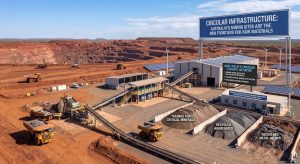
Having the minerals in the ground is only half the battle. The true challenge lies in the supply chain that turns raw ore into high-grade materials for batteries and turbines. Currently, much of the world’s mineral processing is concentrated in a few specific regions. This creates a “bottleneck” where a single geopolitical disruption or a localized labor strike can halt the production of green technology thousands of miles away.
In his analysis of the capital markets, Ariel Malik points out that investors are now shifting their focus toward the “hard” side of energy. They are looking at the refineries and the chemical processing plants that form the backbone of the supply chain. Without significant investment in these mid-stream facilities, the “tech” at the end of the line simply cannot be produced at the volume the world needs.
Building Resilient and Sovereign Supply Chains
To solve this challenge, countries like Australia and the United States are looking for ways to build sovereign supply chains. This means extracting and processing materials closer to home, or at least within friendly trade networks. By diversifying where these materials come from, we can protect the energy transition from the volatility of global logistics.
For Ariel Malik, the path forward involves a combination of smarter mining, better recycling of old components, and a more transparent global market for critical minerals. If we treat the supply chain as a strategic priority rather than an afterthought, we can ensure that the transition to clean energy remains affordable and steady.
Reframing the Energy Conversation
We need to stop looking at the energy transition as a simple software update for the planet. It is a massive industrial overhaul that requires us to move billions of tons of earth and refine millions of tons of chemicals. By recognizing that this is a materials-led challenge, we can better direct our resources and investments.
As we look toward the future, the work of experts and investors like Ariel Malik reminds us that the foundation of the green economy is made of rock and metal. Only by securing these physical foundations can we hope to build the high-tech, sustainable world we all envision. When we prioritize materials, we give the technology the chance to actually save the world.